




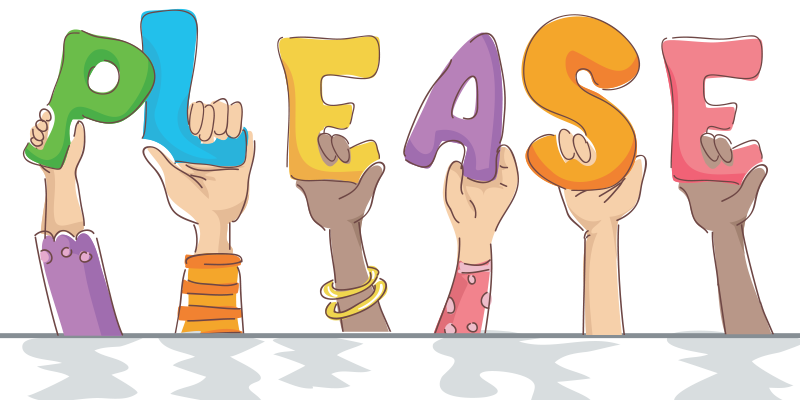
Have you ever held doors open, offered your seat, or picked up something that someone dropped, only to get the evil eye? It’s a terrible feeling, because all you were trying to do was be kind. Yet some people see it as chauvinistic, condescending, or self-righteous — when all you tried to show was respect.
That reaction doesn’t just sting in the moment — it sends a much larger message.
We can’t condemn rudeness, selfishness, or condescension — and then mock those who show courtesy and respect. Doing so not only discourages polite behavior; it slowly changes social norms. When people get mocked for being polite, rudeness starts to feel normal — and eventually becomes acceptable. Once that happens, we lose the right to complain about the uncivilized world around us. Is that what you want?
Good manners are like traffic lights — ignore them, and things get messy fast.
Good Manners Never Go Out of Style
To understand how we got here, it helps to look at the history of manners and social etiquette — and why some behaviors came to be frowned upon. Manners are basic social behaviors: how you treat others in everyday interactions. They’re universal and expected of everyone: saying “please” and “thank you,” not interrupting, and holding the door for others. Etiquette, by contrast, refers to the formal rules that govern behavior in specific situations — like table manners, workplace protocols, or polite ways of addressing someone.
Chivalry grew out of these same ideas of respect and consideration but took them a step further. It began as a knight’s code of honor and gradually evolved into a broader idea of courtesy and respect, historically often directed toward women. Examples included pulling out a chair, offering your coat, or paying for a date.
Over time, some behaviors became frowned upon because they reinforced inequality, singled out certain groups, or imposed expectations that no longer fit modern society. Acts once considered polite could feel patronizing when applied unevenly. Today, manners and courtesy are valued not for ritual or tradition, but for promoting respect, equality, and thoughtful interaction among everyone. Simply put, in today’s world, manners and etiquette are measured by intent, not by tradition.
In general, actions are considered appropriate when they show respect, equality, and consideration — not when they reinforce old hierarchies, stereotypes, or unequal expectations. For example, paying for a date without discussion can imply assumptions about finances or gender roles. Offering unsolicited help in a way that assumes the other person is incapable can feel patronizing. Similarly, giving compliments that focus on appearance, gender, or other traits rather than skill or character can come across as condescending.
But that doesn’t excuse the many simple acts of respect that are rarely seen today. Small gestures like dressing appropriately, holding doors open for people, showing up on time, and making eye contact when speaking are basic signs of consideration. Everyday courtesy includes listening without interrupting, respecting others’ opinions and beliefs, and watching your language. It also means addressing people respectfully, avoiding phone use in public settings, and responding promptly to calls or messages. Respect continues to be expressed in smaller but meaningful ways as well, such as giving others time to speak and letting others merge in traffic. These moments may seem minor, but together they shape how we treat one another in everyday life. Sending a brief note or message to show appreciation or offering a genuine compliment for effort rather than appearance are other simple but meaningful expressions of thoughtfulness. Yet these acts are often overlooked in modern life.
Manners: The Software Update Your Personality Needs
When you think about it, good manners aren’t difficult to practice. In fact, being respectful takes no more effort than being disrespectful. It ultimately comes down to choice and how you want to live your life. Good manners are the keys that open doors — but poor behaviors can just as easily close them. Bad manners don’t only affect those around you — they also reflect on you. Good manners show you were raised to respect others — and that you don’t just value dignity, you live it. Manners say a lot about people. What do they say about you?
Are Your Manners Opening or Closing Doors for You?
Please leave a comment and tell us what you think or share it with someone who can benefit from the information.
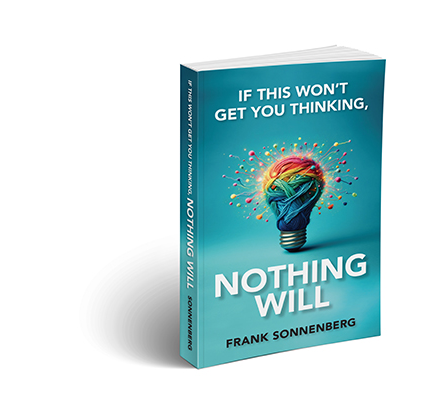
“Frank Sonnenberg has a rare gift for turning timeless truths into practical wisdom. If This Won’t Get You Thinking, Nothing Will reveals how to live with purpose — inspiring us to reach higher while proving that integrity and compassion never go out of style.”
Angela Maiers, Founder and CEO, Choose2Matter, and recognized as one of the most influential educators in the world
Check it out by clicking here!
Additional Reading:
Mind Your Manners
Small Ways to Leave a Lasting Impression
50 Signs of Rude Behavior
Mirror, Mirror: What Does Your Image Say About You?
Reputation: You Can’t Run from Your Shadow
Are You Always a Little Late for Everything?
15 Behaviors that Drive People Up the Wall
If you like this article, subscribe to our blog so that you don’t miss a single post. Get future posts by RSS feed, email or Facebook. It’s FREE.
Follow me:
Facebook
LinkedIn
X
Pinterest and
Instagram

Leave a Comment